How to Service Aging Boilers Without Tearing Apart Your Existing Infrastructure
Key Takeaways
- Aging boiler systems can often be upgraded or serviced in stages rather than replaced outright, preserving existing infrastructure and reducing capital risk.
- Component-level interventions, such as burner retrofits, control upgrades, and heat exchanger servicing, frequently deliver strong efficiency gains without a full system teardown.
- A thorough condition assessment is the foundation of any non-disruptive service plan, since it identifies which components are still sound and which are limiting performance.
- Integration compatibility, not just equipment age, should drive the decision between staged upgrades and full replacement.
- Minimizing shutdown windows requires careful sequencing of work, clear scope documentation, and a service partner who understands live-facility constraints.
- A well-documented staged approach also creates a clearer efficiency and reliability record, which helps plant managers build the case for future capital investment.
Fortunately, replacement is not always the only path forward. Many aging boiler systems can be brought back to strong performance through targeted service and component upgrades that work within the infrastructure already in place. Understanding when and how this approach makes sense can help facilities extend equipment life, improve efficiency, and avoid unnecessary capital risk.
Why Full Replacement Is Not Always the Right First Move
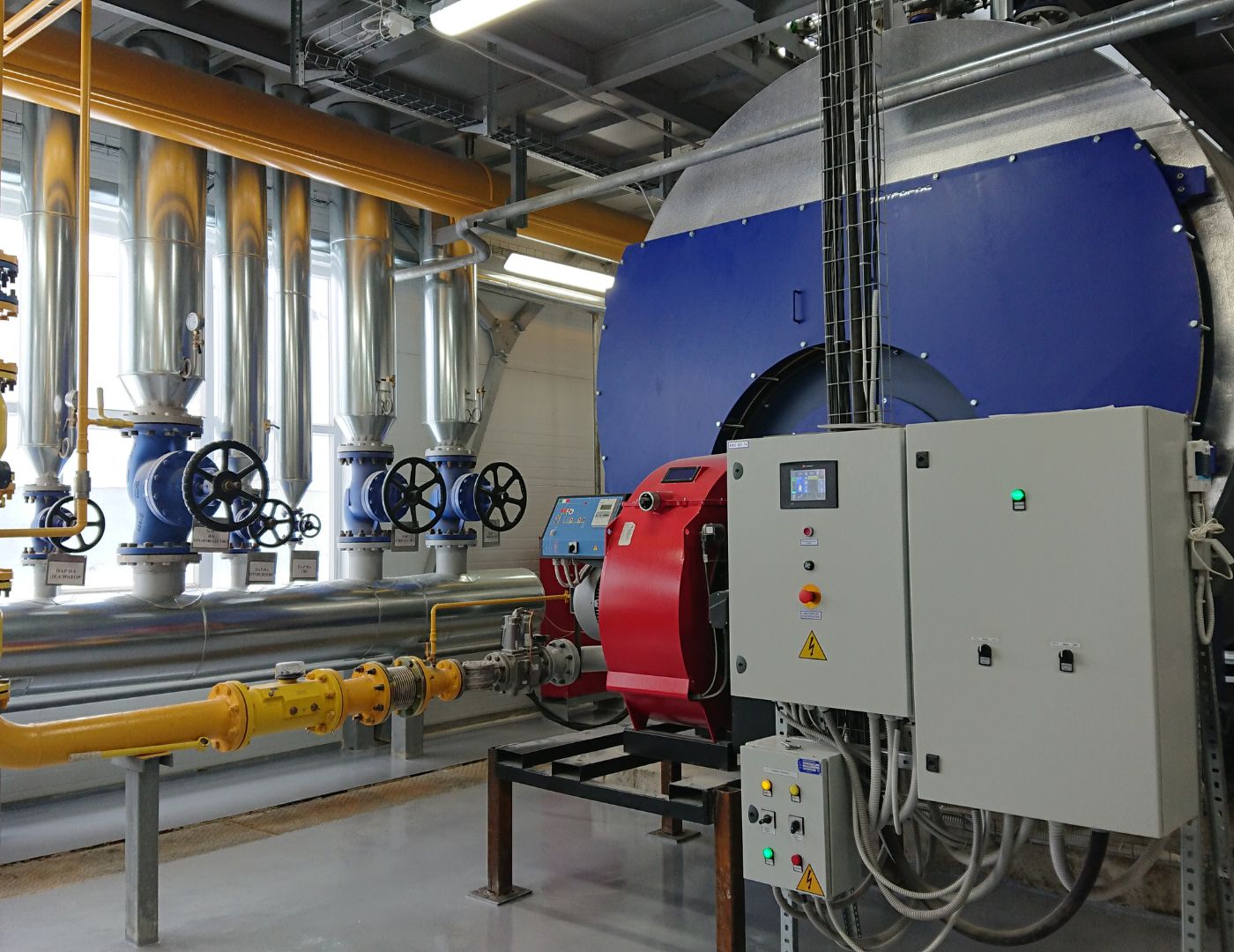
Boiler systems are rarely a single point of failure. A unit that seems to be underperforming is often suffering from a handful of isolated issues rather than fundamental obsolescence. Scale buildup on heat transfer surfaces, an aging burner running outside its optimal combustion range, worn refractory, or outdated controls can all reduce efficiency and reliability, even when the pressure vessel itself remains structurally sound.
Because pressure vessels are typically engineered for a long service life, many facilities find that the vessel has years of useful life remaining even as the systems around it age out. In these cases, a full replacement addresses far more than what actually needs to be fixed, and it introduces cost, schedule risk, and integration work that may not be necessary.
Start With an Accurate Condition Assessment
The decision between staged service and full replacement should be based on data, not assumptions about age alone. A proper assessment typically includes:
- Combustion analysis to evaluate burner performance and efficiency
- Water quality testing to assess scale and corrosion risk
- Visual and non-destructive inspection of the pressure vessel, tubes, and refractory
- Review of control system age, functionality, and compatibility with current safety standards
- Evaluation of auxiliary equipment such as feedwater systems, blowdown systems, and stack economizers
This kind of assessment gives plant managers a clear picture of which components are still performing well and which are limiting the system. It also creates a documented baseline that supports future budgeting conversations, since decisions grounded in inspection data are easier to justify to leadership than decisions based on equipment age alone.
Component-Level Upgrades That Preserve Existing Infrastructure
Once an assessment identifies the limiting factors, several targeted interventions can often restore performance without disturbing the surrounding piping, structural supports, or building systems already tied into the boiler room.
Burner retrofits. Replacing an aging burner with a modern, more precisely controlled unit can significantly improve combustion efficiency and reduce emissions, often without altering the boiler shell or its connections.
Control system upgrades. Many older boilers operate on outdated control platforms that limit visibility into performance and make troubleshooting more difficult. Upgrading controls can improve safety, reduce fuel consumption, and provide better data for maintenance planning, typically with minimal disruption to piping or structural elements.
Heat exchanger and tube servicing. Cleaning, retubing, or repairing sections of a heat exchanger can restore heat transfer efficiency that has been lost to scale or fouling, extending vessel life without requiring a new unit.
Auxiliary equipment upgrades. Feedwater systems, economizers, and blowdown systems can often be modernized independently of the boiler itself, improving overall system efficiency in phases.
Each of these upgrades can typically be scheduled and executed with a defined, limited shutdown window rather than an extended outage, which is often the deciding factor for facilities operating on tight production schedules.
Sequencing Work to Minimize Downtime
Facilities that successfully service aging boilers without major disruption tend to share a few common practices. Work is broken into clearly scoped phases, each tied to a specific outcome, rather than treated as one open-ended project. Materials and components are procured and staged in advance so that the shutdown window is used for installation and testing rather than waiting on parts. Coordination with production schedules happens early, so service windows align with planned downtime instead of competing with it.
This kind of sequencing depends on a service provider who understands that a boiler room rarely exists in isolation. The goal is not simply to complete the mechanical work, but to complete it in a way that respects the realities of a live, operating facility.
Building the Case for What Comes Next
A staged approach to servicing aging boilers also has a practical benefit beyond the immediate repair. Each assessment, upgrade, and performance improvement adds to a documented history of the system’s condition and efficiency trends. That record becomes valuable when it is time to make the case for further investment, whether that means additional component upgrades or, eventually, planning for full replacement on a timeline that fits the facility rather than one forced by an unexpected failure.
How Koch Applied Solutions Supports Aging Boiler Systems
Koch Applied Solutions works with plant managers to evaluate aging boiler systems and identify the service and upgrade options that make the most sense for their specific equipment and operating constraints. Our team supports combustion analysis, burner retrofits, control system upgrades, and broader steam system improvements designed to extend equipment life while working within existing infrastructure whenever possible.
We are also continuing to grow our own team. Experienced technicians remain essential to this kind of work, and our careers page currently highlights opportunities for professionals interested in building a long-term career supporting industrial steam and boiler systems.
Whether your facility is weighing a targeted upgrade against a full replacement, or simply needs an accurate assessment of where your system stands, we would welcome the opportunity to help you evaluate the options.
Contact the Koch Applied Solutions team to discuss your boiler system and develop a service plan that fits your facility’s infrastructure and production schedule.