Preventive Maintenance vs. Reactive Repairs: The True Cost of Waiting Another Year
Key Takeaways
- Delaying boiler maintenance often increases the likelihood of unplanned downtime, emergency repairs, and higher operating costs.
- Small inefficiencies, such as scale buildup, burner issues, and control failures, can quietly reduce system performance for months before becoming noticeable.
- Reactive repairs typically cost more than preventive maintenance because they involve emergency labor, expedited parts, lost production time, and overtime expenses.
- A structured maintenance program can improve safety, reliability, fuel efficiency, and equipment life.
- Experienced technicians are essential because preventive maintenance depends on accurate inspections, diagnostics, and long-term planning.
- The right service partner helps plant managers justify investments by focusing on total cost of ownership rather than repair costs alone.
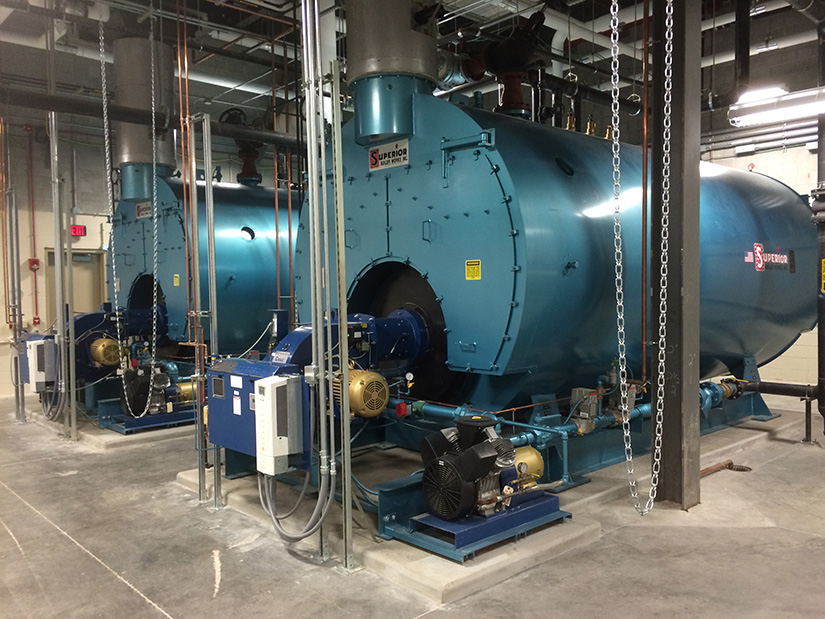
For many plant managers, there is always a compelling reason to postpone maintenance for another year. Production schedules are tight. Capital budgets are limited. The equipment appears to be running normally. From the outside, waiting seems like the practical choice.
Boiler systems rarely fail without warning. More often, they decline gradually through minor problems that compound over time until an unexpected shutdown occurs.
The question is not simply, “Can we wait another year?” Instead, the more important question is, “What will waiting cost us?”
The Hidden Costs of Reactive Boiler Repairs
Emergency repairs often appear less expensive because they postpone immediate spending. However, the true cost usually extends far beyond the repair invoice.
Common hidden costs include:
- Lost production time,
- Overtime labor expenses,
- Expedited shipping charges for replacement parts,
- Increased fuel consumption,
- Reduced equipment efficiency,
- Additional wear on connected equipment,
- And increased safety and compliance risks.
Plant managers understand that downtime affects much more than the boiler itself. Production schedules, labor resources, customer commitments, and profitability can all be impacted by a single failure.
As many operations leaders have learned, one unexpected shutdown can quickly consume the entire maintenance budget for the year.
Why Small Boiler Problems Become Expensive Problems
Boiler systems are complex pieces of equipment, and seemingly minor issues rarely remain isolated.
For example:
- A leaking valve can increase system pressure fluctuations.
- Poor water quality can contribute to scale formation.
- Worn burner components can reduce combustion efficiency.
- Failing controls can create inconsistent performance.
- Deferred inspections can allow safety concerns to develop unnoticed.
Because these problems develop gradually, they often escape attention until they begin affecting output, fuel consumption, or reliability. By that point, the cost of corrective action is usually much higher.
Preventive Maintenance Protects More Than Equipment
Effective preventive maintenance programs are designed to identify potential problems long before they become emergencies.
A well-designed maintenance strategy typically includes:
- Routine inspections,
- Combustion analysis,
- Water quality monitoring,
- Control system testing,
- Burner inspections,
- Safety device verification,
- And replacement of worn components.
These activities help facilities maintain stable performance while extending equipment life and improving energy efficiency.
Just as importantly, preventive maintenance helps plant managers build stronger cases for future investments because they have access to more accurate performance data and clearer lifecycle cost information.
Why Preventive Maintenance Delivers Long-Term Value
Preventive maintenance is not simply a service expense. It is an investment in reliability. When comparing preventive maintenance and reactive repairs, plant managers should consider factors such as:
| Preventive Maintenance | Reactive Repairs |
|---|---|
| Scheduled service windows | Unexpected downtime |
| Lower labor costs | Emergency service rates |
| Longer equipment life | Accelerated wear |
| Improved efficiency | Higher fuel consumption |
| Better budget predictability | Unplanned expenditures |
| Reduced operational risk | Greater potential for safety incidents |
Most plant managers are judged not by how effectively they respond to emergencies, but by how successfully they avoid them.
The Workforce Factor Most Facilities Overlook
One of the less obvious costs of delaying maintenance is the growing shortage of experienced technical personnel. Today’s industrial facilities depend heavily on skilled technicians who understand combustion systems, controls, instrumentation, and mechanical systems.
Strong maintenance programs require knowledgeable people who can identify problems before they escalate. As seasoned professionals retire, finding reliable industrial partners becomes more challenging. It is important to find an experienced, field-tested service supplier before problems occur.
Koch Applied Solutions Helps Facilities Stay Ahead of Problems
Koch Applied Solutions understands that facilities face unique challenges. Our team works with plant managers to develop maintenance programs that align with production requirements, efficiency goals, and long-term reliability objectives.
We also continue to invest in the people who support our customers. In fact, our careers page currently highlights opportunities for both experienced professionals and individuals interested in building long-term careers within the industry.
Whether a customer’s need involves inspections, upgrades, replacement components, burner support, control systems, or broader steam system improvements, our goal remains the same: helping them avoid costly surprises while keeping their operations running efficiently.
If your facility is weighing the cost of maintenance against the cost of waiting, we would welcome the opportunity to help you evaluate the numbers and develop a plan that supports your long-term goals.
Contact the Koch Applied Solutions team to discuss your equipment, review your maintenance strategy, or explore options for improving reliability and efficiency.